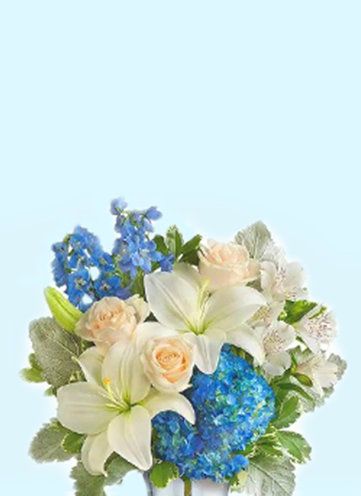
Maximizing the Beauty of Your Hydrangeas
Posted on 13/08/2025
Maximizing the Beauty of Your Hydrangeas: Expert Tips and Techniques
Hydrangeas are renowned for their lush blossoms and enchanting colors, making them a favorite among garden enthusiasts worldwide. Whether you're cultivating your first hydrangea bush or seeking to elevate the visual impact of your mature shrubs, understanding the best practices for maximizing the beauty of your hydrangeas is key. In this comprehensive guide, we'll explore the essential care, design strategies, and innovative tips to help your hydrangeas flourish gloriously in any garden setting.
Understanding Hydrangeas: A Quick Overview
Hydrangeas comprise a diverse genus, famous for their large, vibrant blooms that vary in color, shape, and style. With proper care, these versatile shrubs will grace your landscape each season with breathtaking flowers. To fully maximize the appeal of your hydrangeas, it's crucial first to understand their unique characteristics:
- Varieties: The most popular types include Mophead (Hydrangea macrophylla), Panicle (Hydrangea paniculata), Oakleaf (Hydrangea quercifolia), Smooth (Hydrangea arborescens), and Climbing Hydrangeas (Hydrangea anomala petiolaris).
- Bloom Colors: Shades range from blue and pink to white, purple, and green, with some varieties even shifting color based on soil pH.
- Growing Zones: Most hydrangeas thrive in USDA zones 3-9, though climate and variety affect success.
- Lifespan: With the right care, hydrangea bushes can flourish for decades as stunning perennial anchors in your landscape.

Choosing the Right Hydrangea for Your Garden
One of the first steps to maximizing hydrangea beauty is selecting varieties that match your gardening goals and local conditions. Consider the following when making your choice:
Assess Your Environment
- Sunlight: Most hydrangeas prefer morning sun and afternoon shade. Oakleaf and panicle hydrangeas tolerate more sun than mopheads.
- Soil Type: Well-drained, moisture-retentive soil is ideal. Hydrangeas don't like soggy roots or prolonged drought.
- Hardiness: Know your USDA zone and choose varieties that thrive within your climate constraints.
Define Your Landscape Goals
- For bold, dramatic borders, try mophead or panicle hydrangeas.
- Seeking a naturalistic, woodland vibe? Oakleaf hydrangeas are an excellent choice, especially for shady spots.
- For small spaces or containers, 'Little Lime' or 'Cityline' compact varieties work beautifully.
- Vertical accent? Climbing hydrangea elegantly covers fences and trellises.
Site Selection: Placing Hydrangeas for Maximum Visual Impact
To achieve maximum beauty in your hydrangeas, their placement deserves careful consideration. Here's how to optimize their role in your landscape:
- Showcase Specimens: Plant hydrangeas where their blooms act as focal points--along walkways, entries, or against evergreen backdrops.
- Mass Plantings: For a lush, striking look, group several hydrangeas together to create swaths of color and texture.
- Layering: Combine hydrangeas with complementary shrubs, perennials, and groundcovers for a dynamic, multi-dimensional border.
- Containers: Many dwarf hydrangea cultivars thrive in large pots, perfect for patios or balconies needing a burst of seasonal color.
Soil Preparation and Planting Techniques
Testing and Amending Soil
Start your journey to beautiful hydrangeas by testing your soil's pH and nutrient levels. Hydrangeas prefer slightly acidic to neutral soil (pH 5.5-7.0), and unique among flowers, some types change bloom color based on pH:
- Acidic Soil (Lower pH): Produces blue blooms in mophead hydrangeas.
- Alkaline Soil (Higher pH): Leads to pink or purple flowers.
To adjust pH:
- Add aluminum sulfate for more acidic, blue-flowering soil.
- Add garden lime to make soil more alkaline for pink hues.
Planting Tips for Success
- Dig a hole twice as wide and as deep as the root ball.
- Mix in organic compost for improved drainage and nutrient content.
- Position hydrangeas so the top of the root ball is level with the soil surface.
- Backfill gently, firming around the base, and water deeply post-planting.
Essential Care for Maximizing Hydrangea Blooms
Consistent care is the cornerstone of achieving show-stopping hydrangeas. These tried-and-true tactics ensure your plants remain vibrant and productive year after year:
Watering
- Keep the soil evenly moist but not soggy, especially during hot or dry spells.
- Water at the base, under the foliage, to minimize disease risk.
- Apply mulch around the plant to insulate roots and lock in moisture.
Fertilizing
- Feed hydrangeas in early spring with a balanced, slow-release fertilizer.
- Avoid high-nitrogen fertilizers as they promote lush leaves at the expense of blooms.
- Supplement midseason with compost tea to sustain heavy bloomers.
Pruning Techniques by Type
Not all hydrangeas are pruned the same. Here's a simple breakdown to maximize flower production:
- Mophead & Oakleaf: Prune immediately after flowering, removing spent blooms and weak stems. Avoid late-winter or spring pruning, as these types flower on old wood.
- Panicle & Smooth: Prune in late winter or early spring, as they bloom on new wood. Cut stems back by about one-third for vigorous growth and larger flowers.
Encouraging Lavish Blooms and Vibrant Color
Tips for Promoting Prolific Flowers
- Ensure adequate sunlight--morning light is best for most varieties.
- Consistent moisture is crucial, especially during bud formation.
- Avoid excess nitrogen; instead, focus on phosphorus-rich fertilizers for better blooming.
- Deadhead faded blooms to channel energy into new flower production.
Manipulating Hydrangea Bloom Color
One of hydrangeas' most captivating features is their ability to change color. To maximize hydrangea aesthetics:
- Add aluminum sulfate (1 tablespoon per gallon of water, monthly) for blue hues in appropriate varieties.
- Apply garden lime (1/2 cup per 10 square feet) to shift blooms toward pink.
- Monitor soil pH annually for best results.
Combating Common Hydrangea Problems
Vigorous, healthy plants are the foundation for glorious hydrangea displays. Be vigilant to prevent or address these issues:
- Leaf Spot: Remove infected foliage and improve air circulation; avoid overhead watering.
- Powdery Mildew: Plant in locations with good morning sun and airflow. Apply organic fungicides if needed.
- Aphids & Spider Mites: Spray with insecticidal soap or strong streams of water to remove pests.
- Winter Damage: For cold climates, mulch heavily around roots and cover the base with burlap or frost cloth.
Design Ideas for Showcasing Hydrangeas
To truly maximize hydrangea beauty in your landscape, blend creative design with proper care. Consider these strategies:
- Mixed Borders: Combine hydrangeas with roses, hostas, and astilbe for continuous color and textured planting beds.
- Seasonal Interest: Select cultivars that bloom at different times to extend the flowering season.
- Foliage Contrast: Pair with evergreens or burgundy-leafed plants for striking visual contrast year-round.
- Container Gardens: Use compact hydrangea types with trailing annuals or shade-loving perennials in pots for patios and decks.
Accentuating Blooms Indoors
- Cut fresh hydrangea flowers in the early morning for the longest vase life.
- For dried arrangements, cut blooms when slightly immature and hang upside down in a cool, dark space.
- Combine dried hydrangeas with ornamental grasses or lavender for elegant, long-lasting bouquets.
Frequently Asked Questions about Maximizing Hydrangea Beauty
How do I get my hydrangeas to bloom more?
- Ensure proper sunlight and hydrate consistently.
- Prune at the correct time for your variety.
- Use phosphorus-rich fertilizer and avoid excess nitrogen.
- Deadhead spent flowers to encourage further blooms.
Why are my hydrangea flowers turning green or brown?
- Blooms typically turn green as they age; cut them for dried arrangements.
- Browning may indicate sun scorch, drought stress, or disease.
- Maintain soil moisture and provide afternoon shade for protection.
Can I grow hydrangeas in containers?
- Yes! Choose dwarf types or compact cultivars.
- Use large, well-draining pots with moisture-retentive potting soil.
- Water regularly and protect roots in winter with extra insulation.
What's the best time to plant hydrangeas?
- Early spring or fall is optimal, giving roots time to establish before summer heat or winter cold.

Seasonal Care Calendar for Gorgeous Hydrangeas
- Spring: Fertilize, mulch, divide if needed, prune panicle/smooth types, adjust pH for color control.
- Summer: Water deeply, deadhead spent blooms, watch for pests, and enjoy peak flowering.
- Fall: Prune mophead/oakleaf after flowering (if necessary); divide, transplant, or plant new shrubs; reduce feeding.
- Winter: Mulch heavily in cold climates, secure young plants, and monitor for animal damage.
Conclusion: Unlock the Full Potential of Your Hydrangeas
Few garden plants rival the timeless elegance and adaptability of hydrangeas. By pairing thoughtful selection and placement with attentive care and strategic pruning, you can maximize the beauty of your hydrangeas for many glorious seasons. Experiment with color manipulation, stay vigilant about garden health, and integrate your hydrangeas into creative garden designs to let these captivating blooms truly shine. There's nothing quite like stepping into your garden and experiencing the lush, vibrant tapestry that well-cared-for hydrangeas provide--season after season.
Start today, and transform your garden into a breathtaking showcase of hydrangea beauty!
Latest Posts
Understanding the Symbolism of Red Roses on Valentine's
Spruce Up Your Office with These 10 Easy Plants
The Quintessential 5 Flowers to Gift on Valentine's Day